

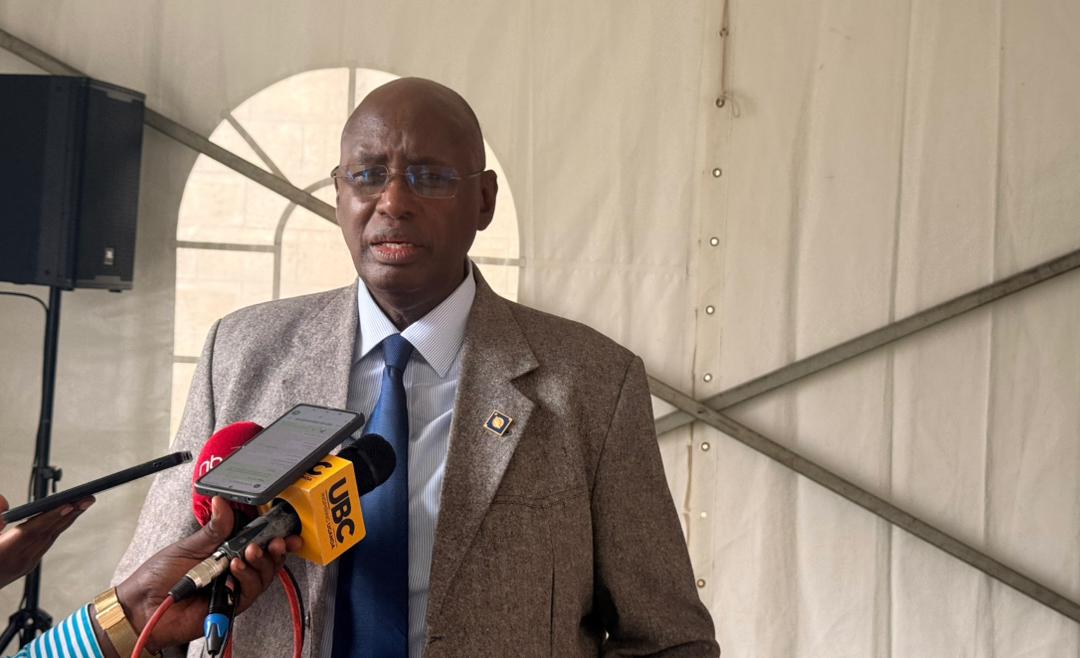
The Uganda Veterinary Council (UVC) has rolled out a new digital database and online regulatory platform aimed at eliminating quack veterinary practitioners, improving professional oversight, and strengthening public trust in veterinary services across the country.
The platform, launched on Thursday at the UVC offices in Wandegeya, Kampala, features an online practitioners’ database, an electronic licensing system, and an official council website intended to modernise regulation of the veterinary profession.
Government officials and veterinary leaders said the system will allow farmers, animal owners, and employers to verify licensed veterinary practitioners and veterinary establishments in real time through a digital authentication tool.
Speaking at the launch, State Minister for Agriculture, Animal Industry and Fisheries, Dr Bright Rwamirama, described the platform as a major milestone in strengthening veterinary governance and improving service delivery.
“This launch is far more than a technological event. It is a strategic institutional milestone reflecting Uganda’s commitment to strengthening professional regulation, improving public service delivery and enhancing public trust in veterinary services,” he said.
Rwamirama said the veterinary sector remains central to Uganda’s agricultural transformation agenda, food safety systems, public health security, and livestock trade.
He noted that modern regulation requires efficient digital systems capable of improving transparency, data management, and accountability within the profession.
“The digital platform will improve registration and licensing efficiency, strengthen verification of practitioners, improve regulatory oversight and enhance public access to information,” he said.
The launch comes during the implementation of the Veterinary Practitioners Act 2024, which replaced legislation that had governed the profession since 1958.
Under the new law, the Uganda Veterinary Council has been granted expanded powers to regulate veterinary surgeons, paraprofessionals, veterinary establishments, professional ethics, education standards, and continuous professional development.
UVC Chairperson Halid Kirunda said the digital system would be central to enforcing the new legal framework and eliminating illegal practice.
“Such a mandate requires more than legislation. It requires data-driven regulation, and that is precisely the reason why we are launching this platform today,” he said.
Kirunda said the platform, developed with support from the Food and Agriculture Organization of the United Nations (FAO) and New Wave Technologies Limited, would also reduce the need for physical visits to UVC offices for registration and licensing services.
“The need for physical travel to the offices of UVC will be greatly reduced or completely eliminated,” he said.
He added that farmers and animal owners would now be able to verify the authenticity of veterinary practitioners before engaging their services.
“Farmers, animal owners, employers and other stakeholders will be able to verify the authenticity of veterinary practitioners online,” he said.
Kirunda revealed that 479 veterinary surgeons are currently registered, with more than 88 percent licensed, while 1,374 veterinary paraprofessionals have been registered, with 99 percent licensed. Nine veterinary establishments are also on record.
He said the council had conducted awareness campaigns in more than 40 districts to sensitise practitioners and stakeholders about the new law and regulatory changes.
While acknowledging challenges in adapting to digital systems, Kirunda said the council would continue offering training and support to practitioners.
“Some of them complain because they find it difficult to transform, but we shall keep training each other,” he said.
He further disclosed that four new regulations are in development and undergoing expert review before submission to the Ministry of Agriculture.
The regulations, he said, are aimed at strengthening professional standards, improving inspections, and streamlining veterinary education oversight.
Kirunda also highlighted partnerships with FAO, the International Labour Organization, the National Drug Authority, and the National Council for Higher Education in strengthening veterinary governance.
Dr Rwamirama acknowledged ongoing challenges including staffing shortages, limited mobility, infrastructure gaps, and inadequate funding, but said government would continue supporting the council within available resources.
He urged veterinary professionals to comply with licensing requirements and embrace the new system.
“It is intended to remove illegal practice, enhance public confidence and elevate the standing of veterinary professionals nationally and internationally,” he said.
Officials said the digital transformation is expected to improve accountability, strengthen disease surveillance, and support Uganda’s broader animal health, food safety, and public health objectives.
